Vocabulary
Resources
Explode The Code
Explode The Code provides a sequential, systematic approach to phonics in which students blend sounds to build vocabulary and read words, phrases, sentences, and stories. Frequent review of previously learned concepts helps increase retention. Each workbook in this series contains exercises that incorporate reading, writing, matching and copying. The consistent format of the books helps facilitate independent work. This series includes primers—Get Ready for The Code, Get Set for The Code, and Go for The Code—which introduce initial consonant sounds. In addition, Beyond The Code provides a comprehension component introducing basic comprehension skills with phonetically controlled stories. You'll find product information here.
Learning Language Arts Through Literature
Learning Language Arts Through Literature is a fully integrated language arts program that teaches grammar, reading, spelling, vocabulary, writing mechanics, creative writing, thinking skills and more.
English from the Roots Up
English from the Roots Up explores the Latin and Greek roots of words. Many people haven't realized how valuable the Latin and Greek vocabulary is in the formulation of the finely structured English vocabulary of today. Even learning a few Latin and Greek root words gets you hooked and you want to learn more. Why? Because you can move from "what words mean" to "why words mean"&mdashin short, a thinking vocabulary. You'll find product information here.
Progeny Press Study Guides for Literature
Progeny Press study guides include vocabulary exercises, comprehension, analysis, and application questions, introduction of literary terms, background information, discussion of related Biblical themes, suggestions for activities related to the reading, a complete answer key, and more. These are some of the titles available (grade range is in parentheses):
- The Adventures of Huckleberry Finn (9-12)
- The Adventures of Tom Sawyer (6-8)
- Amos Fortune, Free Man (5-7)
- Anne of Green Gables (5-8)
- Bears on Hemlock Mountain (1-3)
- The Best Christmas Pageant Ever (4-6)
- The Bridge (4-6)
- Bridge to Terabithia (6-8)
- The Bronze Bow (6-8)
- Carry On, Mr. Bowditch (9-12)5-7
- Charlotte's Web (4-6)
- A Christmas Carol (8-12)
- Clipper Ship (1-3)
- The Courage of Sarah Noble (1-3)
- The Cricket in Times Square (4-6)
- Crown and Jewel (4-6)
- A Day No Pigs Would Die (9-12)
- The Door in the Wall (4-6)
- The Drinking Gourd (1-3)
- Farmer Boy (4-6)
- The Fellowship of the Ring (9-12)
- Frankenstein (10-12)
- Frog and Toad Together (K-2)
- The Giver (7-9)
- The Great Gatsby (9-12)
- Hamlet (9-12)
- Heart of Darkness (9-12)
- Henry & Mudge in Puddle Trouble (K-1)
- The Hiding Place (6-8)
- The Hobbit (8-12)
- Holes (5-8)
- The Indian in the Cupboard (5-7)
- In the Year of the Boar and Jackie Robinson (4-6)
- Introduction to Poetry: Forms and Elements (8-12)
- Island of the Blue Dolphins (5-7)
- Jane Eyre (9-12)
- Johnny Termain (6-8)
- The Josefina Story Quilt (1-3)
- Julius Caesar (9-12)
- Keep the Lights Burning, Abbie (1-3)
- The Lion, Witch & Wardrobe (4-7)
- Little House in the Big Woods (4-6)
- Little House on the Prairie (4-6)
- The Long Way to a New Land (1-3)
- The Long Way Westward (1-3)
- The Lord of the Flies (11-12)
- Macbeth (9-12)
- The Magician's Nephew (5-7)
- Maniac Magee (6-8)
- The Merchant of Venice (9-12)
- The Minstrel in the Tower (2-4)
- Miss Rumphius (1-3)
- Mr. Popper's Penguins (3-5)
- New Coat for Anna (1-3)
- Number the Stars (5-7)
- The Old Man and the Sea (9-12)
- Oscar Otter (K-1)
- Out of the Dust (7-9)
- Out of the Silent Planet (9-12)
- Ox-Cart Man (1-3)
- Perelandra (9-12)
- Prince Caspian (5-7)
- The Red Badge of Courage (9-12)
- Redwall (5-9)
- The Return of the King (9-12)
- Roll of Thunder, Hear My Cry (6-8)
- Romeo and Juliet (9-12)
- Sam the Minuteman (1-3)
- Sarah, Plain and Tall (4-6)
- The Scarlet Letter (9-12)
- The Screwtape Letters (9-12)
- The Secret Garden (6-8)
- Shiloh (5-7)
- The Sign of the Beaver (5-7)
- Stone Fox (3-5)
- The Strange Case of Dr. Jekyll and Mr. Hyde (8-12)
- The Swiss Family Robinson (7-9)
- A Tale of Two Cities (9-12)
- To Kill a Mockingbird (9-12)
- Tuck Everlasting (6-8)
- The Two Collars (4-6)
- The Two Towers (9-12)
- Wagon Wheels (1-3)
- Where the Red Fern Grows (5-7)
- The Whipping Boy (3-5)
- The Witch of Blackbird Pond (5-7)
- A Wrinkle in Time (5-8)
- The Yearling (9-12)
A Reason For® Reading
A Reason For® Reading offers a series of over 100 Leveled Readers that provide small increases in difficulty from level to level. These colorful books feature Scripture stories and Christian value themes. Story Guides include high-frequency words, teaching ideas, discussion questions, and much more.
Links
Scripps National Spelling Bee
Scripps National Spelling Bee is the most widely known spelling bee organizer in the world. In general, the program is open to students who have not reached their 16th birthday on or before the date of the national finals and who have not passed beyond the eighth grade at the time of their school finals.
How I Teach a Large Family in a Relaxed, Classical Way: Language Arts
Tips for teaching language arts (writing, grammar, handwriting) in a large family.
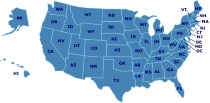
Looking for Another State?
Featured Resources
As an Amazon Associate, we earn from qualifying purchases. We get commissions for purchases made through links on this site.

The Unprocessed Child: Living Without School
This book shows how school is not necessary for a child to gain learning, socialization, or motivation. It offers a look at radical unschooling, a way of educating children without coercion, curriculum, or control. This look at a child who grows from childhood to adulthood with the experience of self-direction is a celebration of the success of unschooling. Covers topics such as parenting, self-discipline and self-motivation, socialization, and more.

Secret of Childhood
Maria Montessori describes the child with warmth and the exactness of a scientist. She also discusses the array of materials and techniques needed to release his learning potential.

Perrine's Sound & Sense: An Introduction to Poetry
Perrine's Sound and Sense is a fantastic book for studying poetry with your children. It is a great resource for high school students. It includes clear and thorough explanations of devices, forms, how to analyze poetry, and more, as well as a huge variety of poems, both classic and contemporary.

The Exhausted School: Bending the Bars of Traditional Education
These 13 essays, presented at the 1993 National Grassroots Speakout on the Right to School Choice, illustrate how education reform actually works. Written by award-winning teachers and their students, these essays present successful teaching methods that work in both traditional and nontraditional classroom settings. “Gatto’s voice is strong and unique.” — Thomas Moore, author of Care of the Soul

Conquering Chronic Disorganization
The real-life stories of chronically disorganized people and the ground breaking, easy-to-learn organizing methods used to end their chronic disorganization in the area of residential clutter, office organizing, paper management, storage, and time management. Conquerings pages includes an extensive index, user-friendly summaries, quick tips, helpful photographs, and a resource section of products and organizations.