Unit Studies
Unit studies are a way to integrate many subjects into one topical unit, using one idea, subject, or topic to explore different approaches to study. In general, a topic is chosen and is studied, learning history, science, math, writing, reading, and other subjects while exploring the single topic. Unit studies work well for multi-age homeschoolers, for those looking for a creative way to learn, and for anyone who want real hands-on, real-world learning. Check out these online unit study resources.
Links
Funschooling Unit Study Archives
Lots of free unit studies written by Karen Caroe. You'll find literature- and science-based unit studies, studies on holidays and more.
Amanda Bennett's Unit Studies
Available for purchase, Amanda's topical unit studies offer weekly learning objectives and much more. The daily lesson plans and assignments are included in the book, ready for immediate use. These unit study guides include daily lesson plans, with reading and writing assignments, spelling and vocabulary words, biography and geography studies, projects, reading lists, and Internet sites of interest. Designed for use by all ages, each day's lesson plan is divided into lower and upper levels. For younger children, use only the parts of the plan that fit the needs of your child, and apply the same principle for older students.
Easy Fun School
As opposed to many other sites offer online resources and lesson plans, Easy Fun School is designed with the homeschooling parent and child in mind. Through the subject index, you will find lesson plans and ideas for teaching art, holidays, reading, science, writing, unit studies, state studies, and much more.
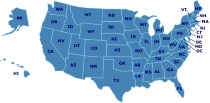
Looking for Another State?
Featured Resources
As an Amazon Associate, we earn from qualifying purchases. We get commissions for purchases made through links on this site.

Designing Your Own Classical Curriculum: A Guide to Catholic Home Education
In this book, Laura Berquist offers a curriculum based on the philosophy of the classical Trivium: grammar, logic, and rhetoric. This valuable tools helps home educators craft a liberal arts curriculum that is good for both the soul and the intellect. The material in the book covers grades K-12 and has detailed and practical advice. There is also a section for a high school curriculum and a list of resources.

For the Learners' Sake: Brain-Based Instruction for the 21st Century
This proposal for a platform of education reform needed to prepare students for a 21st-century workplace and society draws on information and ideas from two current areas in neuroscience: brain research (physiology and applications to learning) and systems thinking (mental models). Analyzing the history of education methodology over the past two centuries, this book shows how the 19th-century factory model prevalent in schools today fail to produce the kinds of flexible thinkers and problem solv...

The Exhausted School: Bending the Bars of Traditional Education
These 13 essays, presented at the 1993 National Grassroots Speakout on the Right to School Choice, illustrate how education reform actually works. Written by award-winning teachers and their students, these essays present successful teaching methods that work in both traditional and nontraditional classroom settings. “Gatto’s voice is strong and unique.” — Thomas Moore, author of Care of the Soul

Conquering Chronic Disorganization
The real-life stories of chronically disorganized people and the ground breaking, easy-to-learn organizing methods used to end their chronic disorganization in the area of residential clutter, office organizing, paper management, storage, and time management. Conquerings pages includes an extensive index, user-friendly summaries, quick tips, helpful photographs, and a resource section of products and organizations.

The Unprocessed Child: Living Without School
This book shows how school is not necessary for a child to gain learning, socialization, or motivation. It offers a look at radical unschooling, a way of educating children without coercion, curriculum, or control. This look at a child who grows from childhood to adulthood with the experience of self-direction is a celebration of the success of unschooling. Covers topics such as parenting, self-discipline and self-motivation, socialization, and more.