Important People
Who are the pioneers in the homeschooling movement? These are the movers and shakers of the early homeschooling movement and also a look at those who have continued work through the years.
Homeschooling Pioneers & Notable Figures
John Holt: Teach Your Own Children...at Home
An interview with John Holt from 1980 from The Mother Earth News. Holt discussed his own schooling experiences, how he discovered the key to real learning, and how the idea of homeschooling developed. He also discussed some concerns that parents new to the idea of homeschooling have. There is a short description of some of the legal issues that homeschoolers have faced and where the homeschooling movement is headed.
Hard Times in North Dakota
HSLDA received this letter in August 1988. It eloquently describes the fears and joys of a home schooling family living in North Dakota in the early 1980s.
HSLDA: Our History
Although HSLDA has changed over the past 30 years—in terms of the size of our membership and staff and our physical location—our original vision and purpose remain unchanged. HSLDA exists expressly for the purpose of advocating family and freedom.
A Fifteen Year Perspective
When Michael Farris and Michael Smith founded Home School Legal Defense Association in March of 1983, home schooling was just a tiny blip on the education radar screen. The concept of parents teaching their children at home was relatively obscure, and the families who chose to follow this non-traditional education route were fairly certain to face opposition from the educational bureaucracy and following legal entanglements, as well as from their own friends and family.
The House the Burgeses Built: One Family’s Neighborhood-Wide Approach to Home Education
In July 2000, Louisiana residents Joyce and Eric Burges created the National Black Home Educators Resource Association, a nonprofit organization that provides advice on curriculum materials, pairs new families with veteran home educators, and produces an annual symposium. The Burgeses’ goal is to encourage other African-American families to become more involved in their children’s education. This article tells their personal story and how they have impacted the community in which they live.
The Politics of Survival: Home Schoolers and the Law
Twenty years ago, home education was treated as a crime in almost every state. Today, it is legal all across America, despite strong and continued opposition from many within the educational establishment. How did this happen? This paper traces the legal and sociological history of the modern home school movement, and then suggests factors that led to this movement's remarkable success.
Homeschooling: Back to the Future?
Explore some of the history of the homeschooling movement, why some parents choose to homeschool, the basics of homeschooling, and more. The article includes some homeschooling statistics and demographic information. Also included is a discussion of the influences of Dr. Raymond Moore and John Holt on the emerging homeschool movement.
On the Edge of the 21st Century
The right to home school is based on two fundamental principles of liberty: religious freedom and parental rights. Whenever one of these two freedoms is threatened, our right to home school is in jeopardy. Here are the battles we think home educators will be facing as we enter the next century:
Marking the Milestones: Historical Times
This timeline highlights the important milestones in the fight for homeschool freedom in the United States.
John Holt and the Origins of Comtemporary Homeschooling
Patrick Farenga's discussion of the role John Holt played in the evolution of the homeschooling movement.
A Call to Righteousness
This essay by Michael Farris outlines why it is so important to fight for homeschool rights.
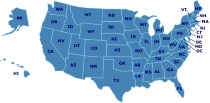
Looking for Another State?
Featured Resources
As an Amazon Associate, we earn from qualifying purchases. We get commissions for purchases made through links on this site.

The Unprocessed Child: Living Without School
This book shows how school is not necessary for a child to gain learning, socialization, or motivation. It offers a look at radical unschooling, a way of educating children without coercion, curriculum, or control. This look at a child who grows from childhood to adulthood with the experience of self-direction is a celebration of the success of unschooling. Covers topics such as parenting, self-discipline and self-motivation, socialization, and more.

Secret of Childhood
Maria Montessori describes the child with warmth and the exactness of a scientist. She also discusses the array of materials and techniques needed to release his learning potential.

Perrine's Sound & Sense: An Introduction to Poetry
Perrine's Sound and Sense is a fantastic book for studying poetry with your children. It is a great resource for high school students. It includes clear and thorough explanations of devices, forms, how to analyze poetry, and more, as well as a huge variety of poems, both classic and contemporary.

The Exhausted School: Bending the Bars of Traditional Education
These 13 essays, presented at the 1993 National Grassroots Speakout on the Right to School Choice, illustrate how education reform actually works. Written by award-winning teachers and their students, these essays present successful teaching methods that work in both traditional and nontraditional classroom settings. “Gatto’s voice is strong and unique.” — Thomas Moore, author of Care of the Soul

Conquering Chronic Disorganization
The real-life stories of chronically disorganized people and the ground breaking, easy-to-learn organizing methods used to end their chronic disorganization in the area of residential clutter, office organizing, paper management, storage, and time management. Conquerings pages includes an extensive index, user-friendly summaries, quick tips, helpful photographs, and a resource section of products and organizations.